
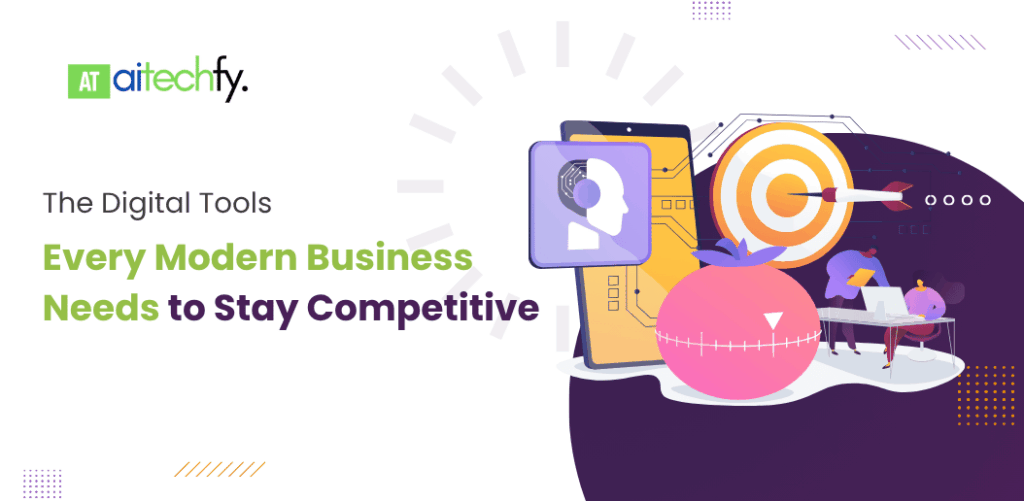
In today’s business landscape, technology is no longer just a support function it has become a critical driver of growth, efficiency, and innovation. Regardless of industry or company size, businesses are increasingly relying on digital tools to manage operations, improve customer experiences, enhance collaboration, and make informed decisions. Organizations that embrace modern technology are often able to respond more quickly to market changes, streamline workflows, and maintain a competitive advantage.
The pace of digital transformation has accelerated significantly over the past few years. Customers expect faster service, employees demand flexible work environments, and business leaders require real-time visibility into performance. At the same time, competition continues to increase, making operational efficiency more important than ever.
For growing companies, choosing the right digital tools can make the difference between sustainable growth and operational bottlenecks. While every business has unique requirements, certain categories of technology have become essential for organizations that want to remain competitive in 2026 and beyond.
From cloud platforms and customer relationship management systems to artificial intelligence and data analytics, modern digital tools are helping businesses work smarter and achieve better results.
Why Digital Tools Have Become Essential
Business operations today are far more complex than they were a decade ago. Organizations manage larger volumes of data, interact with customers across multiple channels, and coordinate teams that may be distributed across different locations.
Manual processes that once worked for small teams often become inefficient as businesses grow. Spreadsheets, email chains, and disconnected systems can slow productivity and create communication challenges.
Digital tools solve these problems by centralizing information, automating repetitive tasks, and improving visibility across the organization. They help teams collaborate more effectively, provide leaders with actionable insights, and ensure customers receive consistent experiences.
More importantly, modern technology allows businesses to scale without significantly increasing operational complexity. Companies can serve more customers, manage larger teams, and expand into new markets while maintaining efficiency and control.
Cloud Computing: The Backbone of Modern Business
Cloud technology has become the foundation of modern business operations.
In the past, companies often invested heavily in physical servers and on-premise infrastructure. These systems were expensive to maintain and lacked flexibility. Cloud computing has transformed this model by providing businesses with access to software, storage, and computing resources through the internet.
One of the biggest advantages of cloud-based solutions is accessibility. Employees can access files, applications, and business systems from virtually anywhere, making remote and hybrid work environments easier to support.
Cloud platforms also offer scalability. As a business grows, resources can be expanded without requiring major infrastructure investments.
For ecommerce businesses evaluating platform options during this transition, working with a BigCommerce development agency can help identify whether a cloud-native commerce platform aligns with their scalability requirements.
Additionally, cloud solutions often include automatic updates, enhanced security features, and disaster recovery capabilities, reducing the burden on internal IT teams.
For businesses seeking flexibility and long-term growth, cloud technology remains one of the most important digital investments.
Customer Relationship Management Software
Customers are at the center of every successful business, making customer relationship management a top priority.
A Customer Relationship Management (CRM) system helps businesses organize customer information, track interactions, and manage sales opportunities from a single platform.
As organizations grow, customer data can become scattered across emails, spreadsheets, and various departments. A CRM creates a centralized source of information that improves communication and consistency.
Sales teams can monitor leads more effectively, marketing departments can personalize campaigns, and support teams can access customer histories to provide better service.
Modern CRM platforms also offer reporting and analytics capabilities that help businesses identify trends and uncover growth opportunities.
In competitive markets, strong customer relationships often determine long-term success, making CRM software an essential tool for modern organizations.
Collaboration and Communication Platforms
Effective communication is critical for productivity, especially in businesses with growing teams or remote work arrangements.
Digital collaboration platforms help employees stay connected through messaging, video conferencing, file sharing, and project coordination tools.
For teams that need more interactive support and real-time troubleshooting, screen sharing software can help employees and support teams collaborate faster by making it easier to view issues, guide users, and resolve problems remotely.
Rather than relying solely on email, businesses can use integrated communication systems that streamline conversations and reduce delays.
Collaboration tools also improve transparency by allowing teams to share updates, track progress, and access important information in real time.
As workplace flexibility continues to evolve, businesses that invest in communication technology are better equipped to maintain and improve employee productivity while supporting employee engagement.
Strong collaboration tools create more connected teams and help organizations respond quickly to changing priorities.
Project Management Software
Managing projects becomes increasingly challenging as businesses grow.
Multiple departments often work on interconnected initiatives, making it difficult to maintain visibility and accountability without structured systems.
Project management software helps organizations organize tasks, assign responsibilities, monitor deadlines, and track progress.
These platforms provide a centralized workspace where teams can collaborate efficiently and ensure projects remain aligned with business goals.
Modern project management tools often include workflow automation, resource planning, and reporting features that improve operational efficiency.
By reducing confusion and improving coordination, project management software helps businesses deliver projects on time and within budget.
Data Analytics and Business Intelligence Tools
Data is one of the most valuable assets available to modern businesses.
Every customer interaction, transaction, marketing campaign, and operational process generates information that can provide meaningful insights. Businesses using an ai app builder can also generate valuable user behavior data as they rapidly develop and refine digital applications. However, data only becomes valuable when businesses can analyze and interpret it effectively.
Business intelligence and analytics platforms help organizations transform raw data into actionable information.
These tools enable leaders to track performance metrics, identify trends, forecast outcomes, and measure progress toward strategic goals.
For example, retailers can analyze purchasing behavior to optimize inventory management, while service-based businesses can evaluate customer satisfaction trends.
Data-driven decision-making reduces uncertainty and helps organizations respond more effectively to market changes.
Businesses that leverage marketing analytics software successfully often gain a significant competitive advantage
Artificial Intelligence for Smarter Operations
Artificial intelligence is rapidly becoming one of the most influential technologies in business.
AI-powered tools can analyze large datasets, automate tasks, generate content, improve customer support, and assist with decision-making.
One of the primary benefits of AI is its ability to handle repetitive processes efficiently. Tasks such as scheduling, data entry, document processing, and customer communication can often be automated using AI-driven systems.
Businesses are also using AI to gain deeper insights into customer behavior and market trends.
AI-powered recommendation engines, predictive analytics tools, and intelligent assistants are helping organizations improve efficiency while enhancing customer experiences.
As artificial intelligence continues evolving, its role in everyday business operations is expected to expand significantly.
Marketing Technology Platforms
Marketing has become increasingly digital, making technology essential for reaching and engaging customers effectively.
Modern marketing platforms help businesses manage email campaigns, social media activity, online advertising, content distribution, and audience segmentation.
These tools provide valuable insights into customer engagement and campaign performance, allowing marketers to refine strategies and improve results.
Artificial intelligence is making marketing technology even more powerful. Businesses can now automate audience targeting, personalize communication, and optimize campaigns in real time.
AI video generation technology is also transforming content creation. Companies can produce promotional videos, product demonstrations, training materials, and social media content more efficiently than ever before.
As competition for online attention increases, marketing technology remains a critical component of business growth.
Cybersecurity Solutions
As businesses become more dependent on digital systems, cybersecurity has become a necessity rather than an option.
Cyber threats continue to evolve, targeting organizations of all sizes. Data breaches, ransomware attacks, and phishing attempts can cause significant financial and reputational damage.
Modern cybersecurity tools help businesses protect sensitive information, monitor network activity, and respond quickly to potential threats.
Many solutions now incorporate artificial intelligence to identify unusual behavior and detect vulnerabilities before they become serious problems.
Strong cybersecurity practices are essential for maintaining customer trust and ensuring business continuity.
Organizations that prioritize security are better prepared to navigate the challenges of an increasingly digital environment.
Financial Management and Accounting Software
Managing finances effectively is critical for long-term business success.
Modern accounting and financial management platforms help organizations track expenses, manage invoices, monitor cash flow, and generate detailed reports.
These systems automate many routine financial tasks, reducing errors and improving efficiency.
Business leaders can access real-time financial data, allowing them to make informed decisions based on current performance rather than outdated information.
Financial software also simplifies compliance, tax preparation, and budgeting processes.
As businesses grow, having accurate financial visibility becomes increasingly important for managing resources and planning future investments.
Human Resource Management Systems
Employees are among the most valuable assets any business possesses, and managing workforce operations effectively becomes more important as organizations expand.
Human Resource Management Systems (HRMS) help businesses streamline recruitment, onboarding, payroll, benefits administration, performance management, and employee development.
These platforms reduce administrative burdens while improving the employee experience.
HR analytics tools also provide insights into workforce trends, helping organizations make informed staffing decisions and improve retention strategies.
As competition for talent remains strong, businesses that invest in effective workforce management tools often gain an advantage in attracting and retaining skilled employees.
Customer Support and Service Platforms
Customer expectations continue to rise, making responsive and efficient support essential.
Modern customer service platforms help businesses manage inquiries, track support requests, and provide assistance across multiple channels.
Many solutions now integrate AI-powered chat systems that can answer common questions instantly and guide customers through routine processes.
Support teams benefit from centralized information and improved visibility into customer interactions.
These platforms help organizations deliver faster service while maintaining consistency and quality.
Businesses that prioritize customer support technology are often better positioned to build loyalty and strengthen relationships. Such as: D2C brands prefer AI-powered platforms like BotSpace to provide support across various channels and at one place.
Integration and Workflow Automation Tools
One common challenge for growing businesses is managing multiple software applications that operate independently.
When systems are disconnected, employees often spend time manually transferring information between platforms. This can create inefficiencies and increase the risk of errors.
Integration tools help connect different applications, allowing data to flow seamlessly throughout the organization.
Workflow automation platforms further improve efficiency by automating approvals, notifications, reporting, and routine business processes.
By reducing manual work and improving coordination, these tools help businesses operate more effectively as they scale.
Final Thoughts
In an increasingly digital economy, the right technology can be one of a company’s greatest competitive advantages. Cloud platforms, CRM systems, collaboration tools, project management software, data analytics platforms, artificial intelligence solutions, cybersecurity tools, and workflow automation systems are helping businesses improve efficiency, enhance customer experiences, and support sustainable growth. As markets become more competitive and customer expectations continue evolving, organizations that invest strategically in modern digital tools will be better equipped to adapt, innovate, and succeed. Businesses that embrace technology not simply as a necessity but as a growth enabler will be in the strongest position to thrive in the years ahead.